
The Art of Frothing Milk
- 10 Jan 2017

How you froth milk is the secret to killer latte art. Here's how to master the micro foam...
Learning how to froth milk properly is one of the most important skills in making café-quality coffee at home. Whether you’re making a flat white, latte or cappuccino, silky microfoam transforms your coffee from average to exceptional. In this guide, we’ll walk you through the core principles of milk texturing and the small details that make a big difference.
What Is Frothing Milk?
Frothing milk is the process of introducing air into milk while heating it to create a smooth, glossy texture known as microfoam. Correctly textured milk improves sweetness, mouthfeel and allows for better latte art.
How to Froth Milk in 3 Simple Steps
- Stretch the milk by introducing air.
- Texture the milk by creating a whirlpool.
- Heat to the correct serving temperature.
Frothing or texturing milk is one of the more difficult barista skills, simply because there are distinct stages the milk goes through when steaming and they usually happen in less than 60 seconds. To get that silky smooth milk with just the right amount of micro-foam there are three key things to focus on:
1. STRETCHING
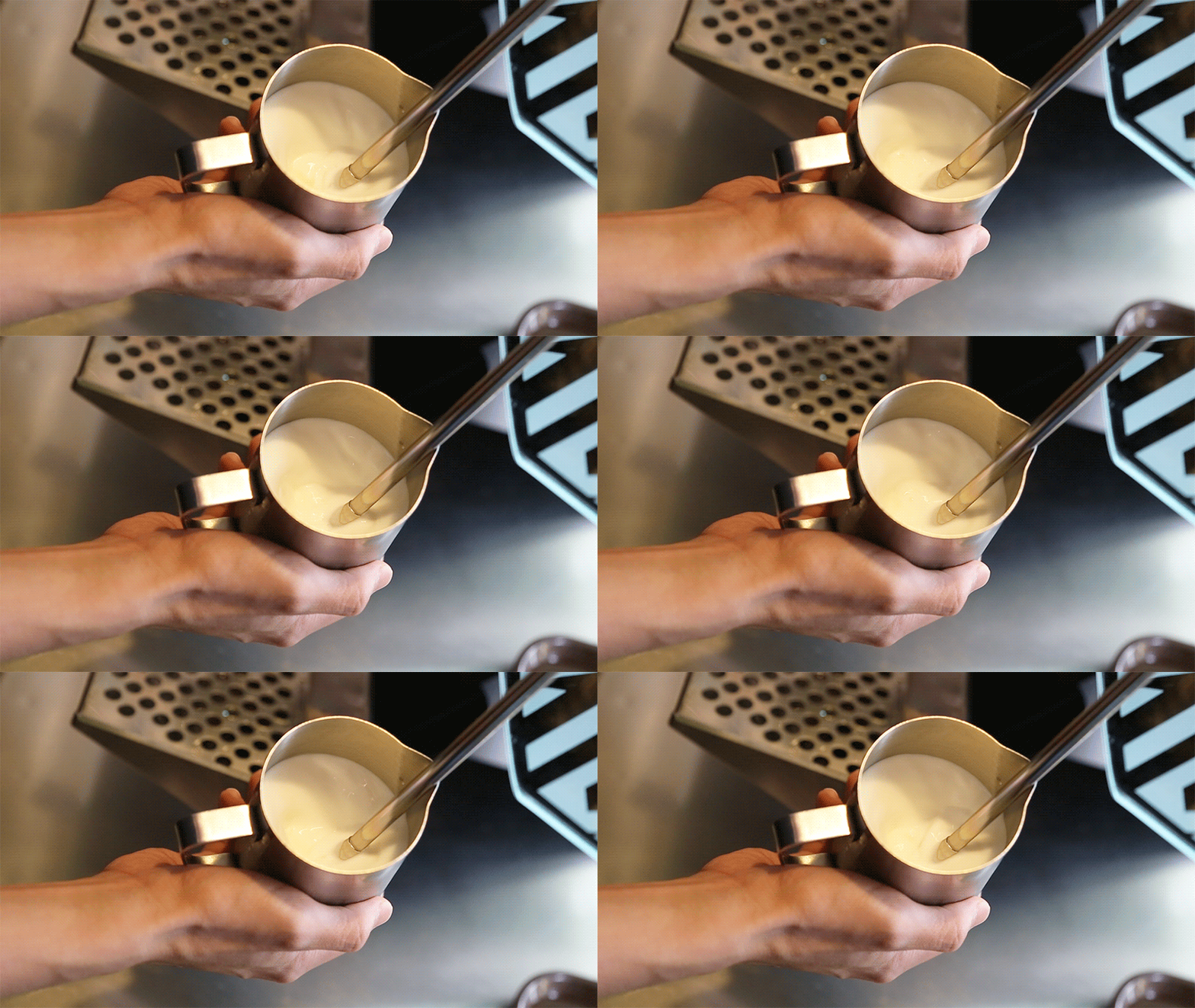
Stretching the milk adds small air bubbles to the milk creating the desired amount of micro-foam, which should be silky smooth with no visible bubbles. To stretch the milk, bring the steam wand to the surface of the milk so the tip is just at surface level, making a soft ‘kissing’ noise as it incorporates air. The stretching phase should be completed by the time the milk reaches approximately 40°C.
2. TEXTURING
Once the milk has been correctly stretched, the milk is then texturised by submerging the steam wand tip just under the surface and creating a whirlpool motion. This thickens the milk and gives it a smooth, creamy texture.
Important Note: Don’t let the wand touch the bottom of the jug.
3. HEATING
Serving temperature for different milks:
- Full cream and skim milk: 65°C
- Soy, macadamia, almond and other alternative milks: 60°C
What Temperature Should Milk Be Frothed To?
Temperature matters more than most people realise. If milk gets too hot, the proteins break down and the natural sugars begin to scorch, resulting in flat, dull-tasting coffee.
- Dairy milk performs best between 65°C
- Alternative milks perform best between 60°C
- 'Extra hot' drinks, up to 70°C
Which Milk Froths Best?
Different milks behave differently under steam. Choosing the right milk can make frothing significantly easier.
- Full cream milk: Best overall balance of sweetness, texture and stability.
- Skim milk: Creates more foam but can feel thinner.
- Oat milk: One of the best alternative milks for texturing.
- Soy milk: Can texture well but overheats quickly.
- Almond milk: More delicate and harder to create stable foam.
Tips For Frothing Milk
- Never reheat milk. During the heating process the sugars caramelise and proteins break down. Reheating creates burnt flavours and bubbly, unstable foam.
- Avoid angles. Keep both the steam wand and milk jug straight to assist in making microfoam.
- Keep the wand close to the side of the jug to create a strong whirlpool effect.
- Don’t submerge the wand to the bottom of the jug.
- Always start with cold milk and a cold jug for better control.
Common Milk Frothing Mistakes (And How to Fix Them)
- Large bubbles: Too much air added too early. Reduce stretching time.
- No foam: Steam wand too deep. Bring it closer to the surface.
- Milk too hot: Stop steaming earlier and use a thermometer while learning.
- Thin milk: Not enough whirlpool during texturing.
- Screeching noise: Steam tip positioned incorrectly, too close to jug, or not enough foam to dampen noise.
What Should Perfect Microfoam Look Like?
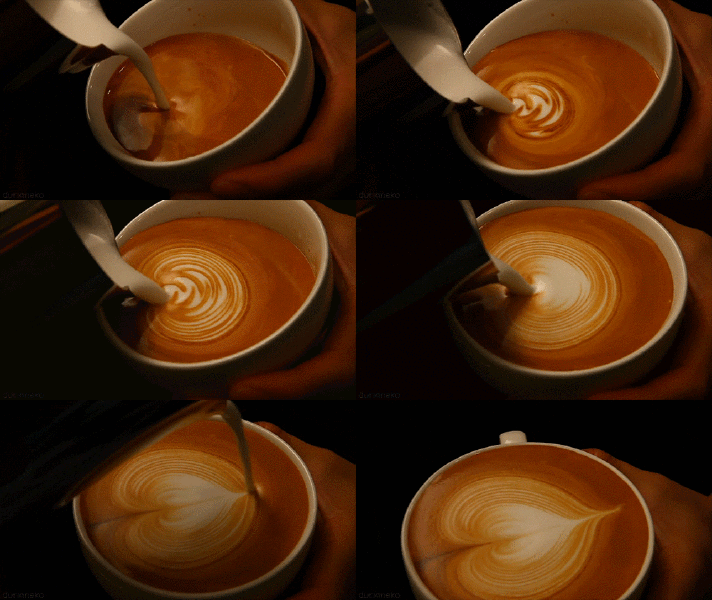
Perfect milk texture should look like wet paint—glossy, silky, smooth and shiny on top. There should be no visible bubbles, and the milk should pour consistently and integrate smoothly with espresso.
Cleaning Your Steam Wand Properly
A dirty steam wand impacts both milk quality and machine hygiene.
- Purge the steam wand before steaming.
- Wipe immediately after steaming using a clean damp cloth.
- Purge again after wiping.
- Deep clean regularly using appropriate cleaning products.
Recommended Tools for Better Milk Frothing
Having the right equipment makes learning easier and improves consistency.
Milk Frothing FAQs
Can you froth cold milk?
Yes, but cold frothed milk creates a different texture and is most commonly used for iced drinks.
Why is my milk bubbly instead of silky?
You’ve likely introduced too much air. Reduce stretching time and focus more on the whirlpool.
Can you reheat milk?
No. Reheated milk loses sweetness, texture and flavour quality.
Which milk is best for latte art?
Full cream dairy milk is still the easiest and most forgiving option for latte art.
Do alternative milks froth?
Yes. Barista-labelled oat and soy milks generally perform best, but beware of additives.
Shop our range of stainless steel and coloured milk jugs > SHOP NOW.
Ready to upgrade your home setup? Explore our range of home espresso machines.